
GS1 Barcodes
Working with GS1, you can rest assured that your barcodes and unique numbers will be accepted by major retailers and distributors all over the world.
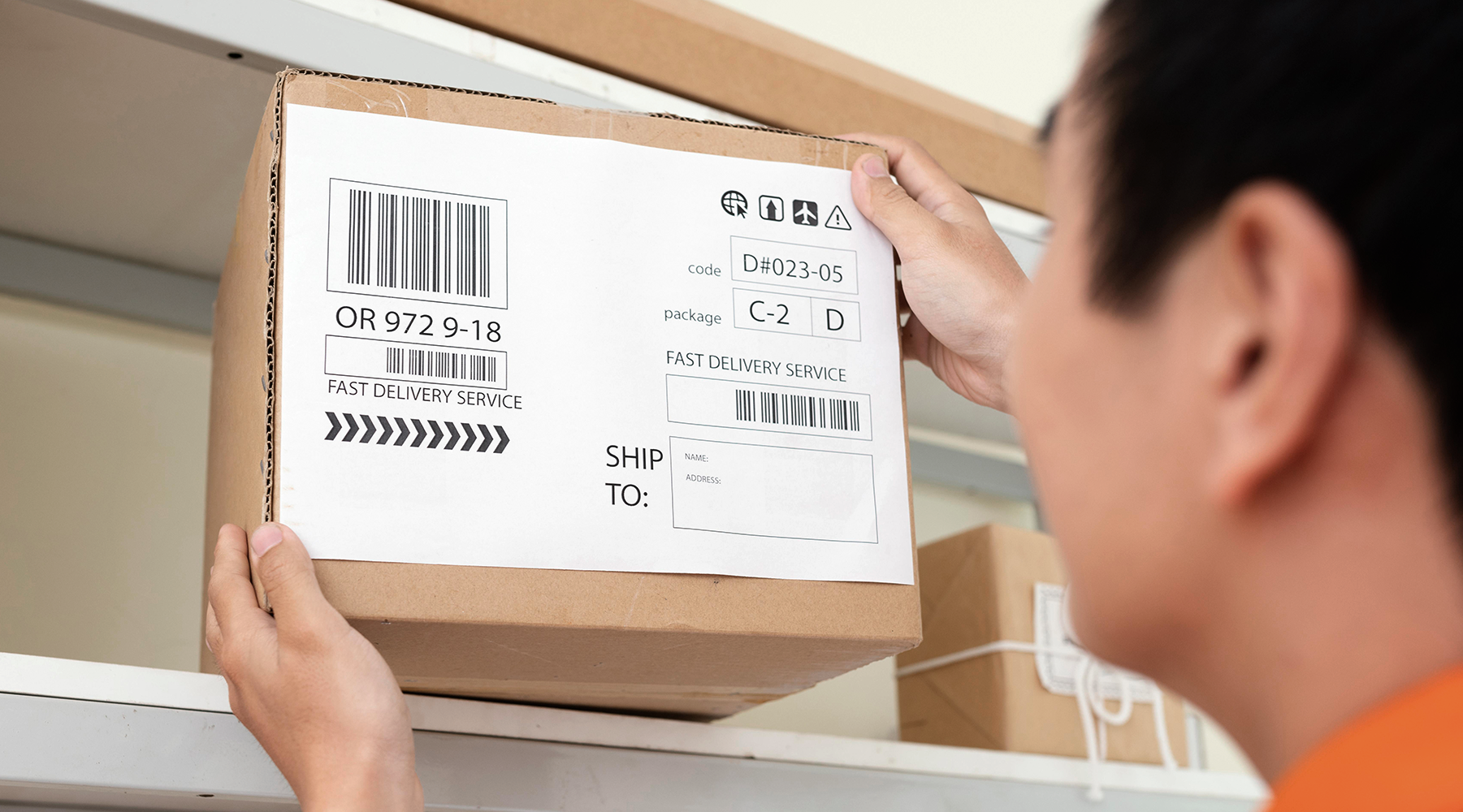
Barcodes are symbols that can be scanned electronically using laser or image-based technology.
They are used to encode information such as key identifiers (product, shipment, location, etc.) and key attributes (serial numbers, batch/lot numbers, dates, etc.) via GS1 syntaxes (plain, GS1 element string and GS1 Digital Link URI).
Barcodes play a key role in supply chains, enabling parties like retailers, manufacturers, transport providers and hospitals to automatically identify and track products as they move through the supply chain.
GS1 utilises several types of barcodes to satisfy different business requirements.
Find out more
Linear barcodes
Linear barcodes, like the U.P.C. code commonly found on consumer goods, use a series of variable-width lines and spaces to encode data, including the GTIN for product identification.
UPC/EAN
Instantly recognisable 1D barcodes used in retail all over the world
GS1 DataBar
Can hold additional product attributes such as the weight of fresh foods
GS1-128 and ITF-14
Versatile barcodes often used in a distribution environment
Two-dimensional (2D) barcodes
2D barcodes use patterns of squares, hexagons, dots and other shapes to encode data. Because the data is encoded in a two-dimensional pattern, 2D barcodes can hold more data than 1D barcodes while still appearing physically smaller.
The future of product identification is two-dimensional
GS1 is partnering with industry on the journey into the future of data carriers.
The Solution Provider 2D Focus Group is a group of experts that work together to help industry users migrate towards data rich barcodes. This group is designed for solution providers and other stakeholders (e.g., retailers) across all markets that support on-pack coding solutions.